

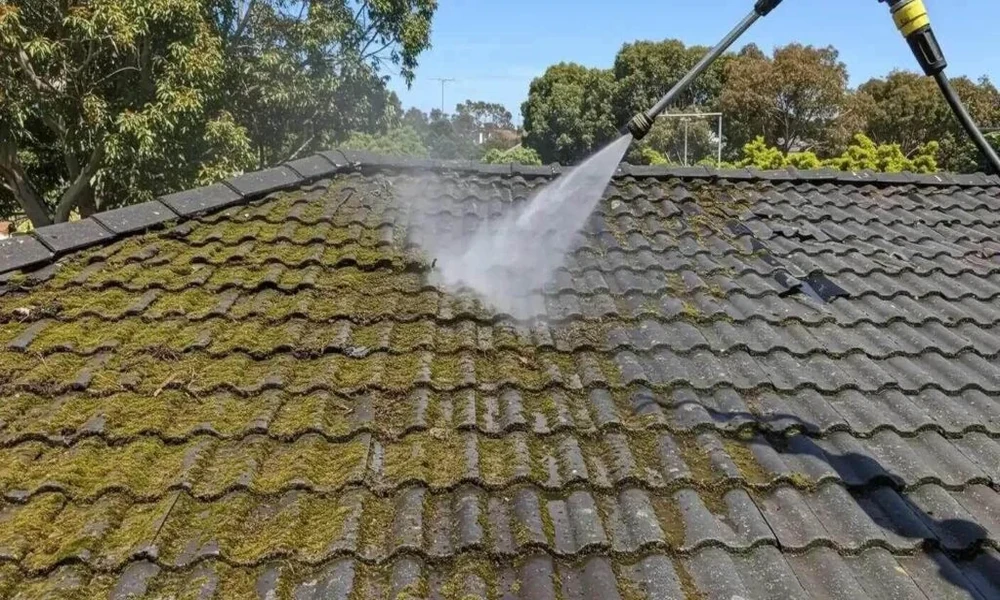
A blanket of moss creeping along your roof’s edge can seem harmless at first, almost quaint against the backdrop of towering Pacific Northwest trees. Yet what begins as a thin green film often turns into thick, spongy clumps that quietly sabotage your roof’s structure, curb appeal, and even your wallet.
Why Moss Grows on Roofs: A Pacific Northwest Case Study
Homeowners in Olympia, WA, and neighboring areas face a unique battle. With more than 50 inches of rain each year and perpetual shade from firs and cedars, roofs rarely get a chance to dry out. This environment is perfect for moss to flourish, especially along shadier north-facing slopes or under the shadow of overhanging branches. Left unchecked, moss burrows under shingle edges, lifting them and allowing water to seep below. The result? Premature roof aging, costly leaks, and granule loss that shortens the life of your shingles.
Ignoring moss isn’t just a cosmetic issue. Repairs for water damage or an early roof replacement cost far more than proactive cleaning.
Identifying Moss Problems Early: Signs from Real Homes
You don’t need to risk your safety by climbing a ladder to catch moss early. Take a stroll around your house or peek from an upstairs window. Look for:
– Green or yellow patches on shingles, especially in shaded areas
– Clumps along shingle edges, roof valleys, or ridges
– Lifted, wavy, or uneven shingles
– Gray, crusty spots (lichen) or dark algae streaks
– Granules and moss in gutters, or overflowing downspouts
When you see these signs, it’s time to think about professional help. Catching moss at the early film stage is far easier (and less expensive) to treat than waiting for thick mats to take hold.
Safe and Effective Moss Removal Techniques
High-pressure washing might seem like a quick fix, but it’s a shortcut that can take years off your roof’s life by stripping protective granules and even causing leaks. Instead, reputable services use soft washing. The process is simple yet effective:
First, large moss clumps are gently brushed off with soft bristles to avoid shingle damage. Then, a specialized solution is applied across the entire roof to kill moss, algae, and lichen without harsh pressure. Within days, the moss turns white, a visual cue the treatment is working. Over the next three to six months, Olympia’s rain and wind gradually wash away the dead moss, revealing the original shingles underneath.
Timing Moss Removal: Lessons from Seasonal Patterns
So when should you schedule this treatment? Moss grows most aggressively from fall through spring when wet weather keeps roofs damp for months. That’s why late summer and early fall are often the best times to act. Treating moss before the rainy season arrives ensures your roof enters the wet months protected, and the dry weather helps the treatment set.
However, if you already have thick moss, waiting doesn’t make sense. The sooner it’s treated, the less risk there is of water damage or shingle lifting. Professional services can help you pick a day with a forecast of dry weather, an important detail since treatments adhere best in those conditions.
Post-Treatment Care and Maintenance
Once the moss is dead, nature does much of the remaining work. Wind and rain gradually clear the white, flaky remains. But as the moss detaches, your gutters can quickly fill with debris, risking overflow during heavy downpours. Scheduling a gutter cleaning after treatment is a simple but crucial step.
In the Pacific Northwest, moss will inevitably return, especially on shaded roofs. Most reputable companies offer guarantees; for example, Olympia homeowners using Zachs Power Washing roof moss removal can expect no regrowth for two years. Planning for periodic retreatment is part of long-term roof care.
Cost Comparison: Moss Removal vs. Roof Replacement
Many roofs that look ready for replacement are simply hidden under moss. Removing moss typically costs a fraction of a full roof replacement, which can easily reach five figures in Thurston County. Here’s a quick comparison:
| Service Type | Typical Cost (Small Roof) | Typical Cost (Large, Steep Roof) | Replacement Cost |
|——————–|————————–|———————————-|———————-|
| Moss Removal | Low hundreds | Mid to high hundreds | $10,000+ |
| Full Replacement | – | – | $10,000-$20,000+ |
If your shingles are still flat and solid underneath, moss removal can add years to your roof’s life. If they’re curling or cracked throughout, it may be time for a roofer’s opinion.
Additional Exterior Cleaning Services to Complement Roof Care
Moss rarely stops at the roof. Gutter cleaning is essential for proper rainwater flow and for catching the runoff from moss removal. House soft washing tackles algae and dirt on siding, stucco, wood, or vinyl, restoring curb appeal. For walkways, patios, and driveways, concrete cleaning improves both appearance and safety, particularly in moss-prone zones.
Customer Experience: Testimonials and Common Questions
Homeowners in Olympia praise local services for careful attention not just to roofs, but to landscaping and gardens as well. Many point out the professionalism of crews who keep fragile plants safe and work around tricky schedules.
Some of the most frequent questions include: How long does it take for moss to vanish? (Three to six months, as weather does the work.) Is the treatment safe for pets and gardens? (Yes, with precautions during application.) And for those wondering if they can do it themselves, the answer is yes, but it’s slippery, risky, and never worth damaging your shingles for a do-it-yourself shortcut.
Finding a reliable provider means looking for proper licensing, local experience, and a clear guarantee. Olympia’s wet climate demands nothing less.
