

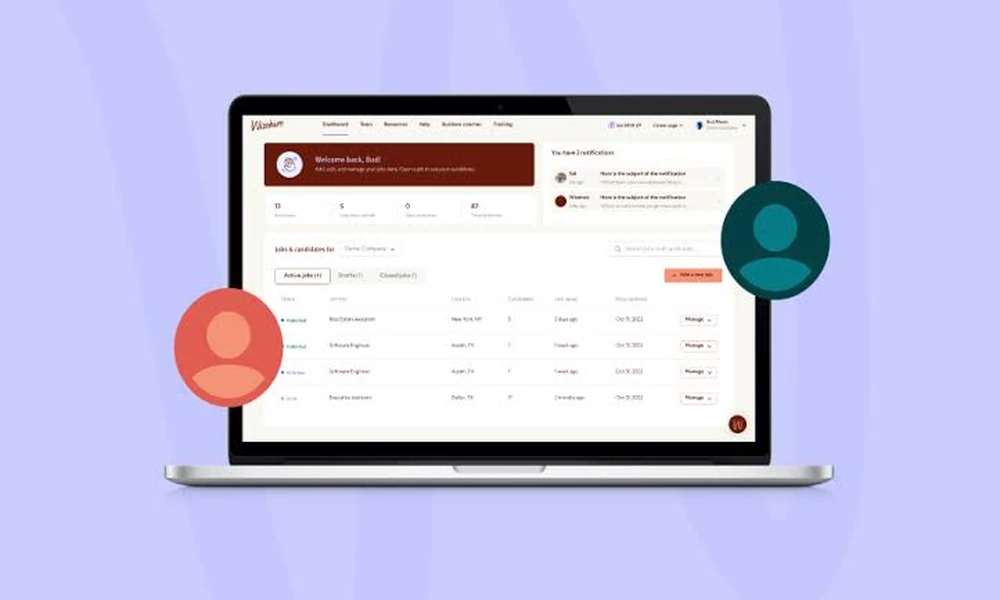
Recruitment has become one of the most data-intensive and process-critical functions in a modern business, yet many organisations continue to manage hiring through a combination of email threads, spreadsheets, and shared drives that create bottlenecks, lose candidate information, and make it impossible to measure the effectiveness of the recruitment process. Applicant tracking software addresses this problem systematically, replacing disconnected point solutions with a single platform that manages every stage of the hiring workflow from job posting through to offer acceptance. For HR professionals and talent acquisition teams in India evaluating ATS software options, understanding what a quality platform provides and what distinguishes the leading talent acquisition solutions helps identify the right technology for the organisation’s specific recruitment needs.
What is applicant tracking software?
Applicant tracking software (ATS) is a software platform that manages the end-to-end recruitment process digitally, organising candidate applications, tracking the status of each candidate through the hiring pipeline, and enabling communication and collaboration between the recruiters, hiring managers, and other stakeholders involved in the hiring decision. At its most basic, an applicant tracking system replaces the manual tracking of candidate CVs and interview stages with a structured digital workflow. At its most sophisticated, it integrates with job boards, career sites, assessment tools, background verification providers, and the HRMS platform that onboards the successful candidate.
The core functions that every quality applicant tracking system software provides:
- Job requisition management: the creation, approval, and publication of job openings through a defined internal workflow, ensuring that every open position has the appropriate management approval and the documented budget and business justification before recruitment begins
- Multi-channel sourcing: the simultaneous posting of job openings to multiple job boards, social media platforms, and the organisation’s own career site from a single interface, with source tracking that records where each applicant came from for recruitment marketing effectiveness measurement
- Application management: the receipt, parsing, and organisation of applications from multiple sources into a single candidate pipeline view, eliminating the need to check multiple inboxes or portals for applications
- Pipeline and stage tracking: the movement of candidates through defined hiring stages, with stage-specific actions, task reminders, and status visibility for all stakeholders in the hiring process
- Interview scheduling: calendar integration and automated scheduling that eliminates the email back-and-forth of interview coordination, reducing the time from application to interview that affects candidate experience and offer acceptance rates
- Collaborative evaluation: structured interview feedback, scorecards, and the shared evaluation records that allow hiring teams to make data-informed hiring decisions rather than relying on subjective post-interview conversations
What is applicant screening software and how does it improve hiring quality?
Applicant screening software is the component of the ATS that automates the initial filtering of applications against defined criteria, reducing the volume of applications that require manual recruiter review without eliminating candidates who genuinely meet the requirements. Effective applicant screening software within a quality ATS platform:
- Applies configurable knockout questions at the application stage that automatically disqualify candidates who do not meet defined non-negotiable criteria, such as a required qualification, a minimum years of experience, or the eligibility to work in the relevant location
- Parses and analyses CVs to extract key information including education, experience, skills, and qualifications, allowing recruiters to filter and rank applicants against the role requirements without reading each CV in full at the initial stage
- Integrates with assessment platforms to add a skills or competency test stage to the screening process, providing objective capability data on shortlisted candidates before the first human interview
How do talent acquisition solutions differ from basic ATS software?
Talent acquisition solutions represent a broader conception of recruitment technology than the standalone ATS. Where an ATS focuses primarily on managing the active recruitment process for specific open positions, a comprehensive talent acquisition solutions platform also addresses:
- Talent pipeline and candidate database management: the ability to maintain and engage a database of past applicants, talent pool contacts, and passive candidates who are not currently being considered for a specific role but who may be relevant for future positions
- Employer branding and candidate experience: tools that help the organisation present its employer brand compellingly through the career site, the application process, and the communication touchpoints that affect how candidates perceive the organisation during recruitment
- Recruitment analytics and reporting: the dashboards and reports that measure time-to-hire, source effectiveness, pipeline conversion rates, offer acceptance rates, and the quality-of-hire metrics that connect recruitment activity to business outcomes
- AI-based matching and recommendations: the application of machine learning to match candidates in the database to open positions, recommend similar profiles to the recruiter, and identify the most likely sources for future positions based on historical hiring data
What should HR teams look for when selecting ATS software?
The selection of ats software for an Indian organisation requires evaluating the platform’s fit with the organisation’s size, the volume and complexity of the recruitment process, the integration requirements with existing HR technology, and the quality of the support and implementation assistance the vendor provides. Ease of use for non-technical hiring managers, mobile accessibility for on-the-go recruiters, and the platform’s ability to support the multi-location and multi-business-unit complexity of larger organisations are practical requirements that narrow the field significantly.
____________________________________________________________________________________
Paid Blog – 2
