

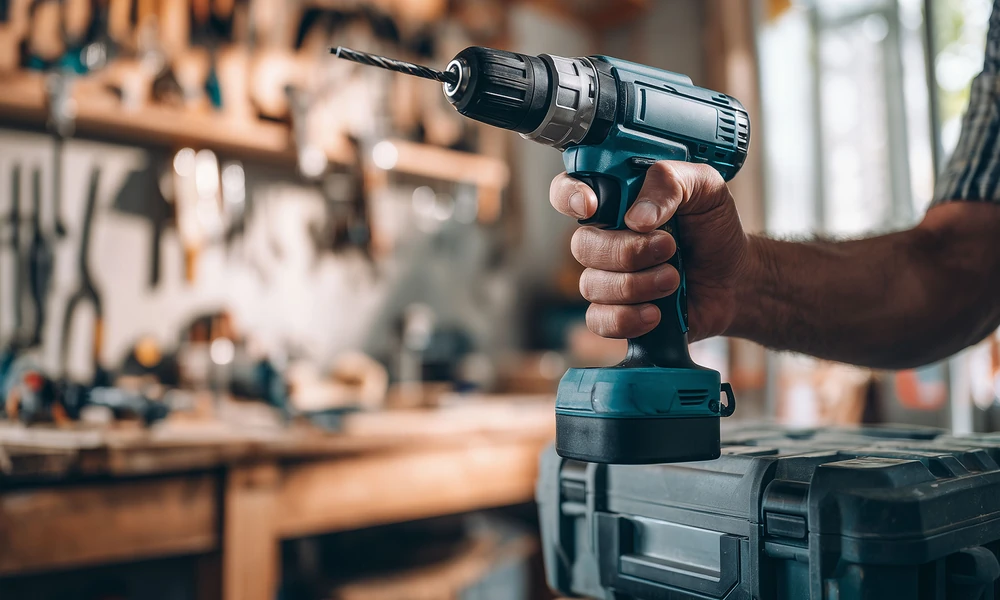
A neglected power tool is a ticking time bomb for projects, budgets, and even personal safety. Whether you are a seasoned contractor or a weekend DIYer, the difference between a tool that performs flawlessly for years and one that quits after a single season usually comes down to maintenance habits.
Why Proper Maintenance Matters for Power Tools
A single missed step in maintenance can turn a trusted drill or saw into a source of frustration. Well-maintained tools don’t just last longer; they deliver consistent power, accuracy, and reliability when you need them most. Clogged vents or gummed-up gears can sap a motor’s strength, leading to sluggish performance or unexpected failures in the middle of a job. A bit of routine care preserves that out-of-the-box feel for much longer.
The financial benefits are just as convincing. Regular check-ups and cleaning stretch every dollar you invest in your toolkit. Replacing brushes or cleaning contacts costs far less than buying a new impact driver. Even premium lines like Dewalt and Milwaukee, which you’ll find among GSM Depot power tools, reward owners who put in a little preventative effort with years of reliable use.
Safety is another pillar of good maintenance. Dust buildup and worn parts increase the odds of short circuits, overheating, or even accidents. Taking time to inspect and care for your equipment helps ensure you’re not putting yourself or others at unnecessary risk.
Routine Cleaning Techniques: Manual vs. Automated
Dust is the sworn enemy of every power tool. For most users, a combination of compressed air and a stiff brush works wonders to remove sawdust, drywall debris, or metal shavings from vents, switches, and crevices. Avoid water or household cleaners, which can corrode internal components. Specialized cleaning solvents and lubricants are ideal for removing stubborn grime without damaging plastics or electronics.
Some professionals opt for automated cleaning services, especially for high-value tools. These services can access hard-to-reach components but come at a higher cost and may not be necessary unless the tool has seen heavy use. DIY cleaning saves money and develops your familiarity with your equipment, while professional services ensure a deep, thorough job.
Lubrication Strategies Compared
Moving parts crave lubrication, but not all lubricants are created equal. Oils offer quick, light lubrication for drills and rotary tools, while grease stays put on high-friction surfaces like gears and bearings in grinders or saws. Overdoing it can attract dust and gum up mechanisms; underdoing it leads to metal-on-metal wear.
The right schedule depends on usage. Heavy-duty users may need to lubricate weekly, while casual DIYers might stretch it to every few months. Always check the manufacturer’s recommendations, as some brands have specific intervals and preferred products. Too much or too little lubrication can both drastically reduce tool life, so aim for the manufacturer’s sweet spot.
Battery Care: Charging and Storage Practices
Today’s power tools often run on lithium-ion batteries, which are robust but not indestructible. For healthy batteries, avoid deep discharges and store them at moderate charge levels. Smart chargers monitor and protect battery health better than basic chargers, but both need to be used according to instructions. Extreme heat or cold, especially in garages or work trucks, can ruin even the best battery in a single season.
Storing batteries separately from tools reduces phantom drain. Regularly cycle your batteries, don’t let them sit unused for months, which can cause them to degrade. These simple habits maximize both run time and battery lifespan.
Inspection and Replacement of Wear Parts
Any tool is only as reliable as its weakest link. Brushes, belts, bits, and bearings are common wear points. Routine inspection lets you spot frayed cords, chipped blades, or worn brushes before they cause further damage. For straightforward swaps, such as replacing a sander pad or drill bit, DIY replacement works well and saves on service fees. More complex repairs, think gear replacements or motor rewinds, are best left to professionals unless you are truly experienced.
Some power tools, like orbital sanders and grinders, tend to go through parts more quickly due to friction and vibration. Others, such as impact drivers, may only need occasional attention.
Storage Solutions: Environment and Organization
The conditions you store your tools in can make or break their longevity. Indoor storage protects from moisture and corrosion; outdoor sheds or garages are only safe if well-insulated and dry. Cases and racks shield against dust, impact, and accidental drops, but bulkier cases may get in the way if space is tight.
Organization isn’t just about tidiness, it prevents accidental damage and keeps every tool ready for the next project. Keeping cords coiled, batteries separated, and tools in their designated spots pays off in fewer repairs and less wasted time searching for missing pieces.
Troubleshooting Common Power Tool Issues
When tools fail, the first step is determining whether the problem is electrical (such as a dead battery or faulty switch) or mechanical (like stripped gears or jammed bearings). Electrical issues often show themselves as a complete loss of power, erratic speeds, or sparks. Mechanical failures usually mean odd noises, overheating, or loss of torque.
Repair makes sense for minor issues or high-value tools within warranty, especially when manufacturers offer support or straightforward part replacements. For older, heavily worn tools, replacement may be the better call, especially if safety is a concern.
Comparing Maintenance Approaches Across Popular Brands
Popular brands each have their quirks when it comes to upkeep. Dewalt and Milwaukee recommend specific cleaning intervals and lubricants tailored to their tool designs. Makita and Bosch often equip their tools with self-cleaning brushes or advanced dust protection but still benefit from regular manual cleaning and lubrication.
Brand-specific features, such as sealed bearings or thermal management on some models, can reduce maintenance needs, but no tool is truly maintenance-free. The best strategy is always a blend of following the manual, using common sense, and being attentive to the way your tools sound and feel during use.
A little extra time invested in caring for your power tools pays off in serious dividends, fewer breakdowns, lower replacement costs, and tools that are always ready for action.
